
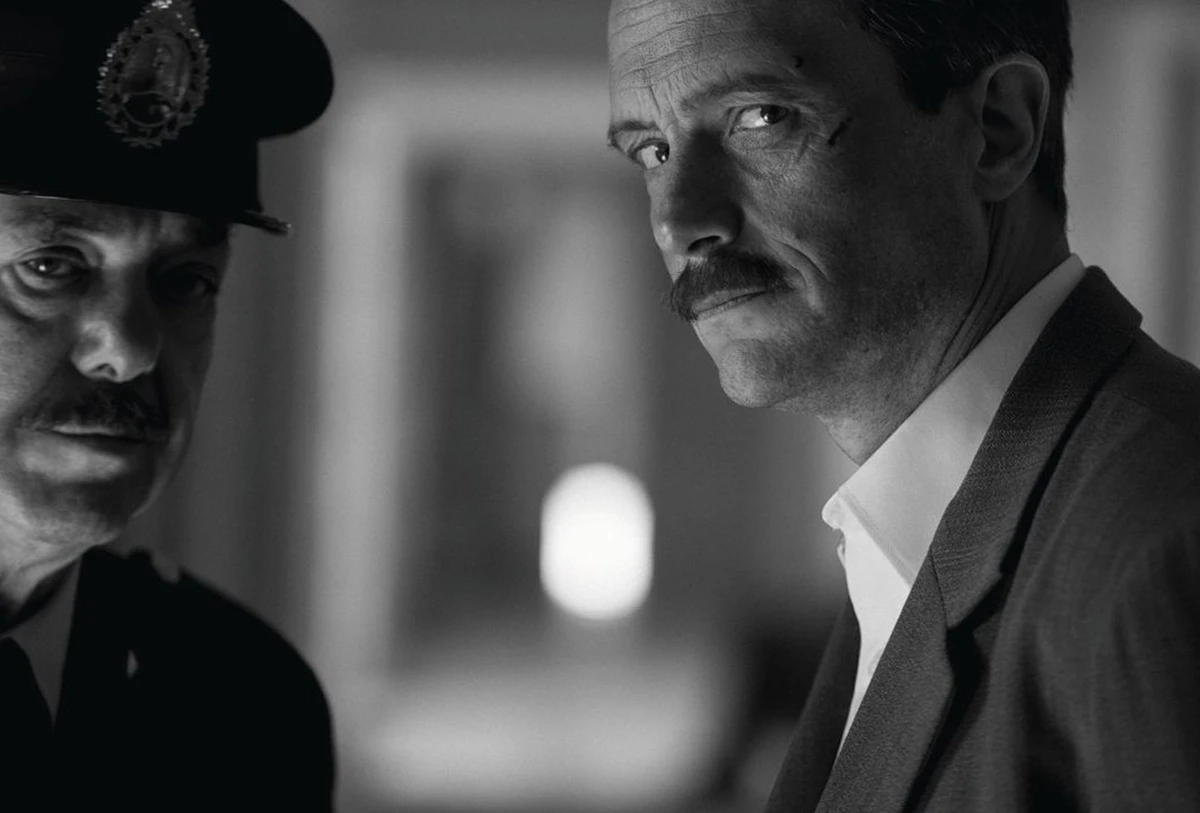
Kirill Serebrennikov Confronts History and Obsession
Directed and written by Kirill Serebrennikov, The Disappearance of Josef Mengele is a haunting and uncompromising examination of guilt, evasion and the lingering shadows of history. Serebrennikov, acclaimed for his provocative and visually arresting work, approaches the subject not as a conventional biographical drama, but as a psychological descent shaped by paranoia, exile and moral reckoning.
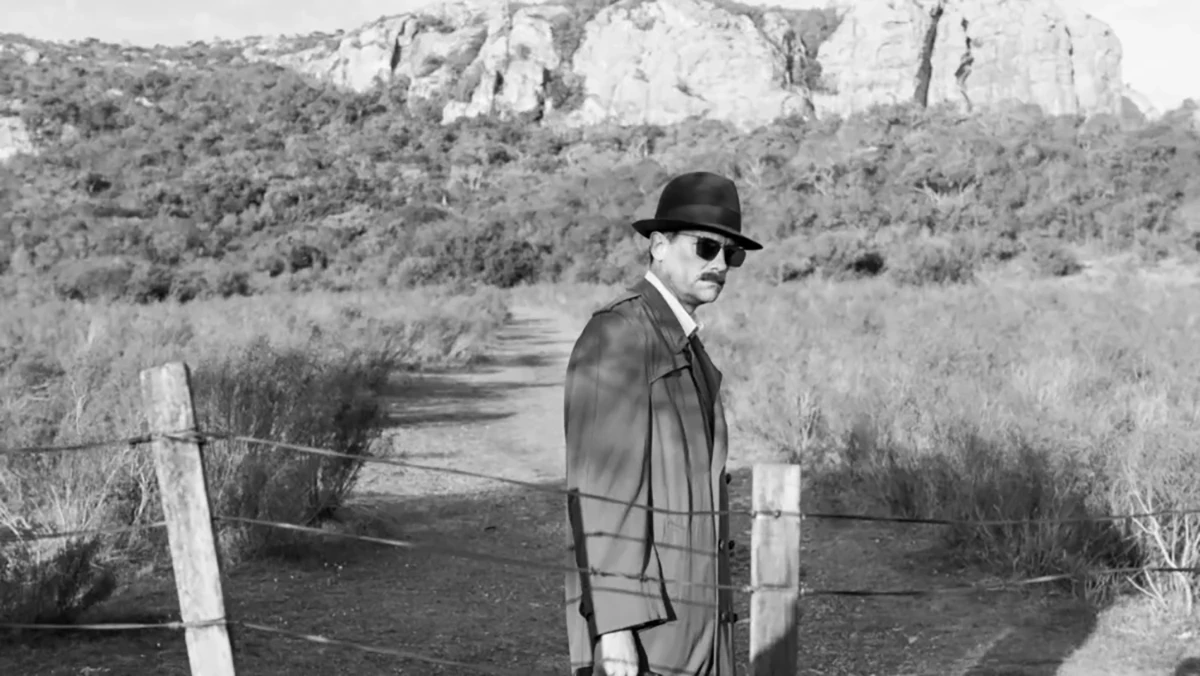
Starring August Diehl, Max Bretschneider, David Ruland and Dana Herfurth, the film traces the fugitive existence of one of the twentieth century’s most infamous figures, focusing less on historical spectacle than on the corrosive inner life of a man in hiding. Premiering at the Cannes Film Festival, The Disappearance of Josef Mengele is a stark, unsettling work that reflects on memory, responsibility and the impossibility of escape — from justice, or from oneself.
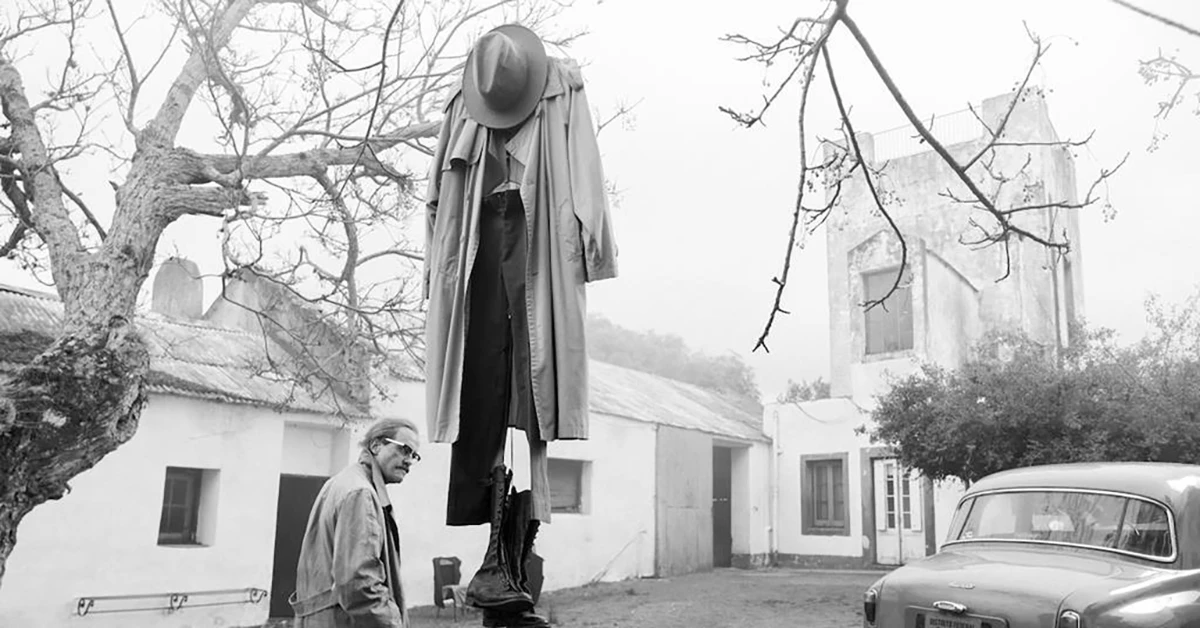
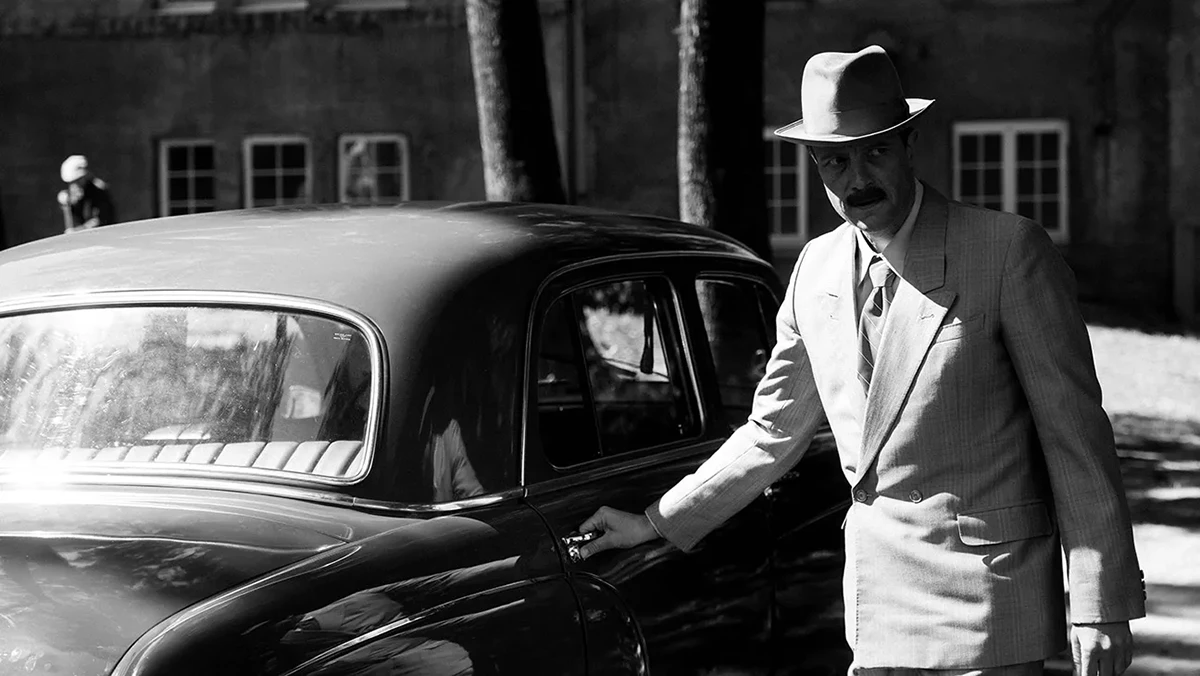
Rather than reconstructing history in linear terms, the film adopts a fractured, interior perspective, mirroring the psychological state of a man defined by concealment. Kirill Serebrennikov uses repetition, dislocation and visual austerity to strip away myth and spectacle, focusing instead on erosion - of identity, certainty and control. Time becomes elastic, geography unstable, and the act of disappearance itself emerges as a central theme. In refusing moral simplification, the film confronts the viewer with an unsettling question: what remains when a life is reduced to flight, memory and denial?